Introduction:
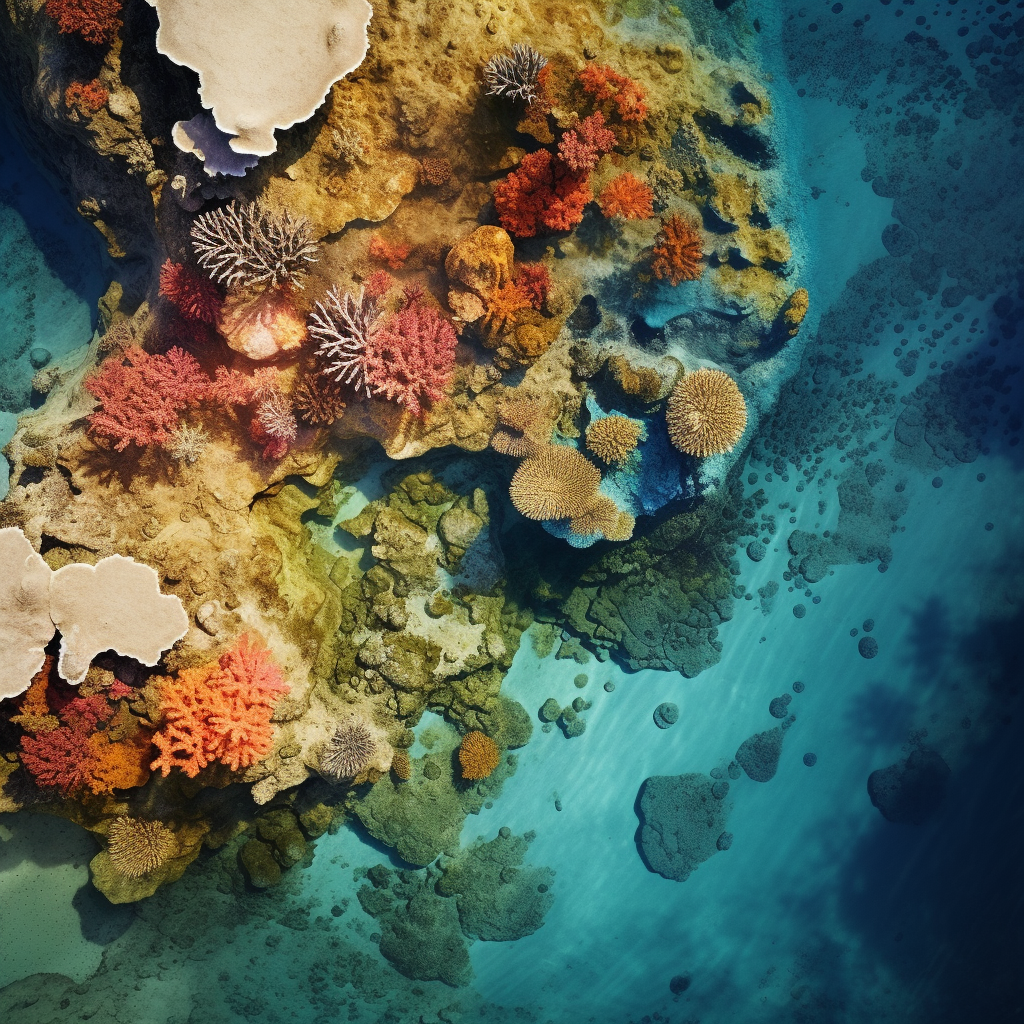
Coral reefs, with their captivating beauty and intricate ecosystems, serve as vital pillars for marine stability. But they are now grappling with the escalating threats of climate change. This post sheds light on the repercussions of climate change on coral reefs, the myriad challenges they confront, and why coral reef conservation should matter to us, both for our mental wellness and physical performance.
1. Coral Reef Degradation: Understanding the Problem
Coral reef degradation is a mounting environmental concern, primarily driven by the dual threats of oceanic warming and acidification. The surge in atmospheric CO2 fortifies the greenhouse effect, culminating in elevated sea temperatures. Such conditions distress coral polyps, leading to coral bleaching and eventual death.
2. Climate Change Impacts on Coral Reefs
Climate change’s blow to coral reefs extends beyond just a temperature surge. The amalgamation of rising sea levels due to the melting of polar ice and thermal expansion casts a shadow on these ecosystems. Diminished sunlight penetration impedes coral growth, and the upswing in storm intensity wreaks havoc on the reefs.
3. Marine Life Threats and Ecological Consequences
Serving as homes to an abundant array of marine species, the decay of coral reefs poses a perilous threat to the marine food web. The ripple effect of a declining coral ecosystem stretches to humans too, impacting essential resources from food to recreation.
4. Coral Conservation Efforts: Hope for the Future
In the face of these mounting challenges, many around the world are championing the cause of coral protection and restoration. These global endeavors not only focus on the reefs but also underscore the interconnectedness of mental wellness and physical performance.
5. Coral Restoration: Restoring the Gem of the Ocean
Coral restoration emerges as a beacon of hope for beleaguered reefs. Techniques like coral gardening breathe new life into these ecosystems, and innovations such as artificial structures and fostering coral symbionts hold immense potential.
6. Safeguarding Coral Reefs: The Role of Marine Protected Areas
MPAs are the vanguard of coral conservation, setting boundaries against detrimental human activities. Beyond merely conserving, MPAs also play a role in education, nurturing a bond between humans and the marine world.
7. Enhancing Coral Reef Resilience: Partnerships and Research
The road to coral resilience is paved through global collaborations encompassing scientists, policymakers, communities, and businesses. Focused research and data-driven strategies hold the promise of rejuvenating our reefs.
8. The Oceanic Carbon Sink and Climate Change Mitigation
Beyond biodiversity, coral reefs also champion climate regulation. As significant components of the oceanic carbon sink, their protection and restoration is twofold: supporting marine ecosystems and climate balance.
Conclusion:
To protect the marine tapestry, understanding and championing coral reef conservation is paramount. This endeavor not only safeguards marine splendor but enriches our well-being and physical prowess. Together, our strides can harmonize the symphony between humanity and the oceans.
 BetterAthleteToday
Leave a comment